For Sale
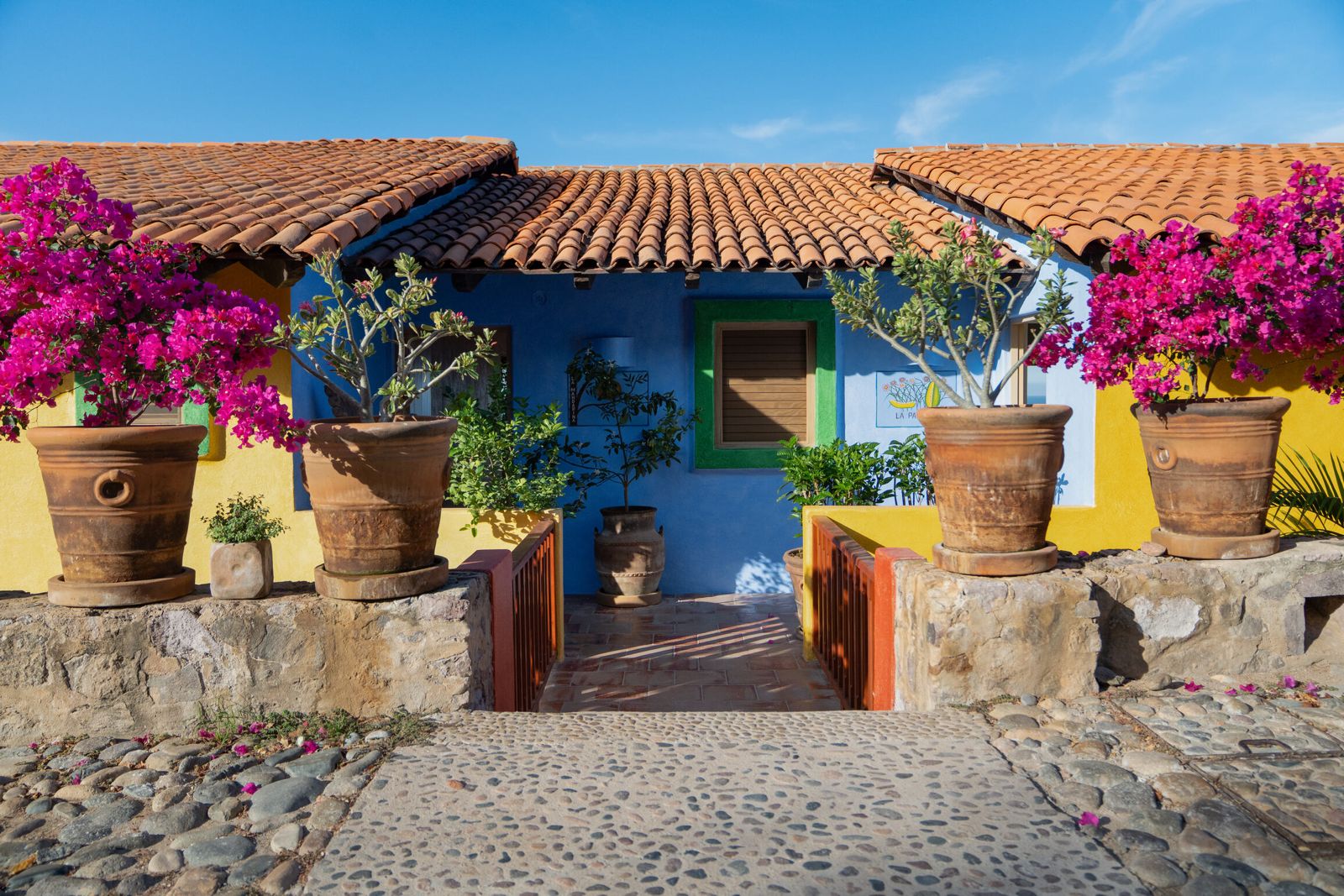
Casita La Mandarina sits within Casitas de las Flores — the cluster of colour-washed hillside residences that has defined the Careyes silhouette since Gian Franco Brignone founded the community in 1968.
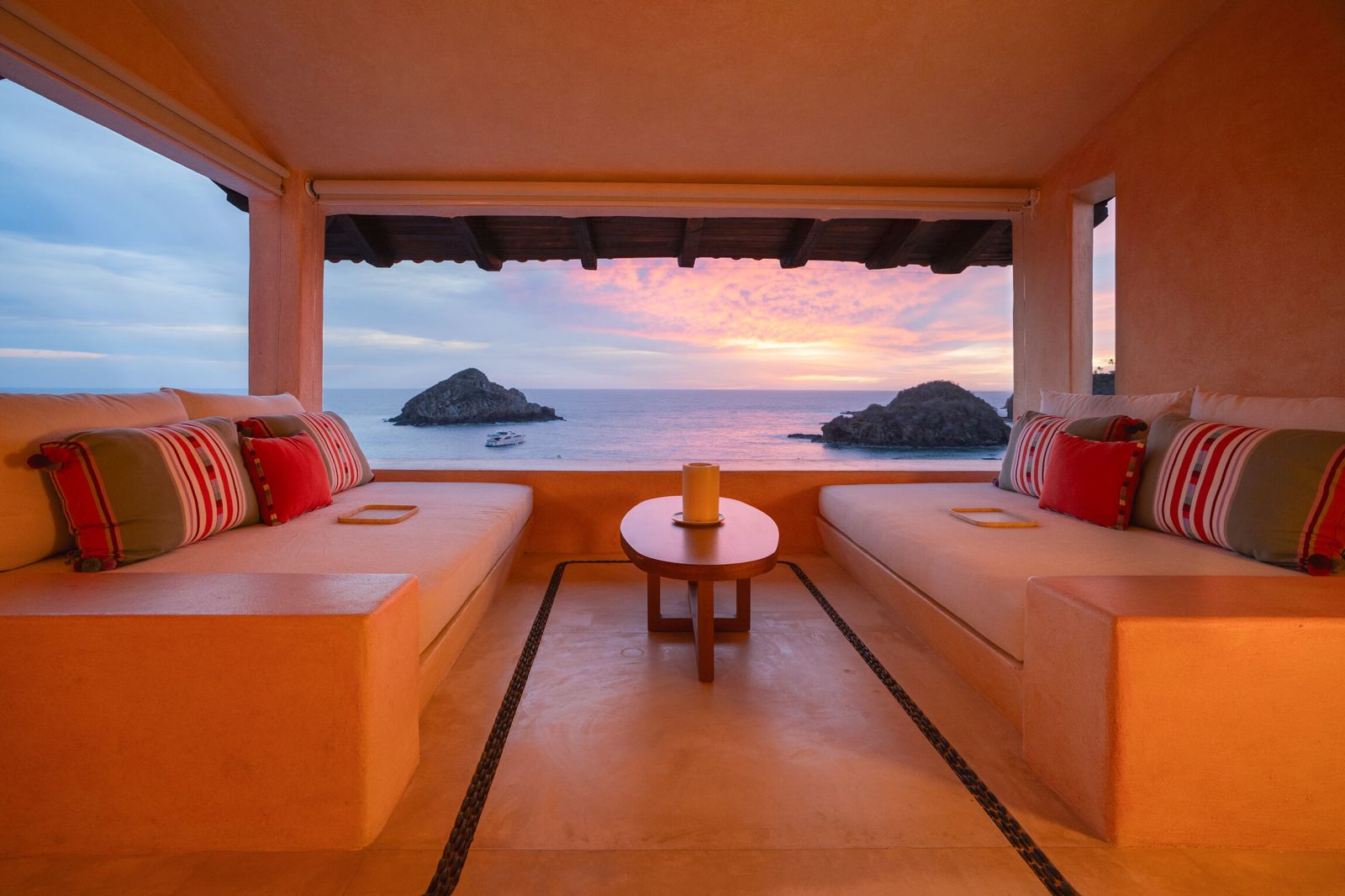
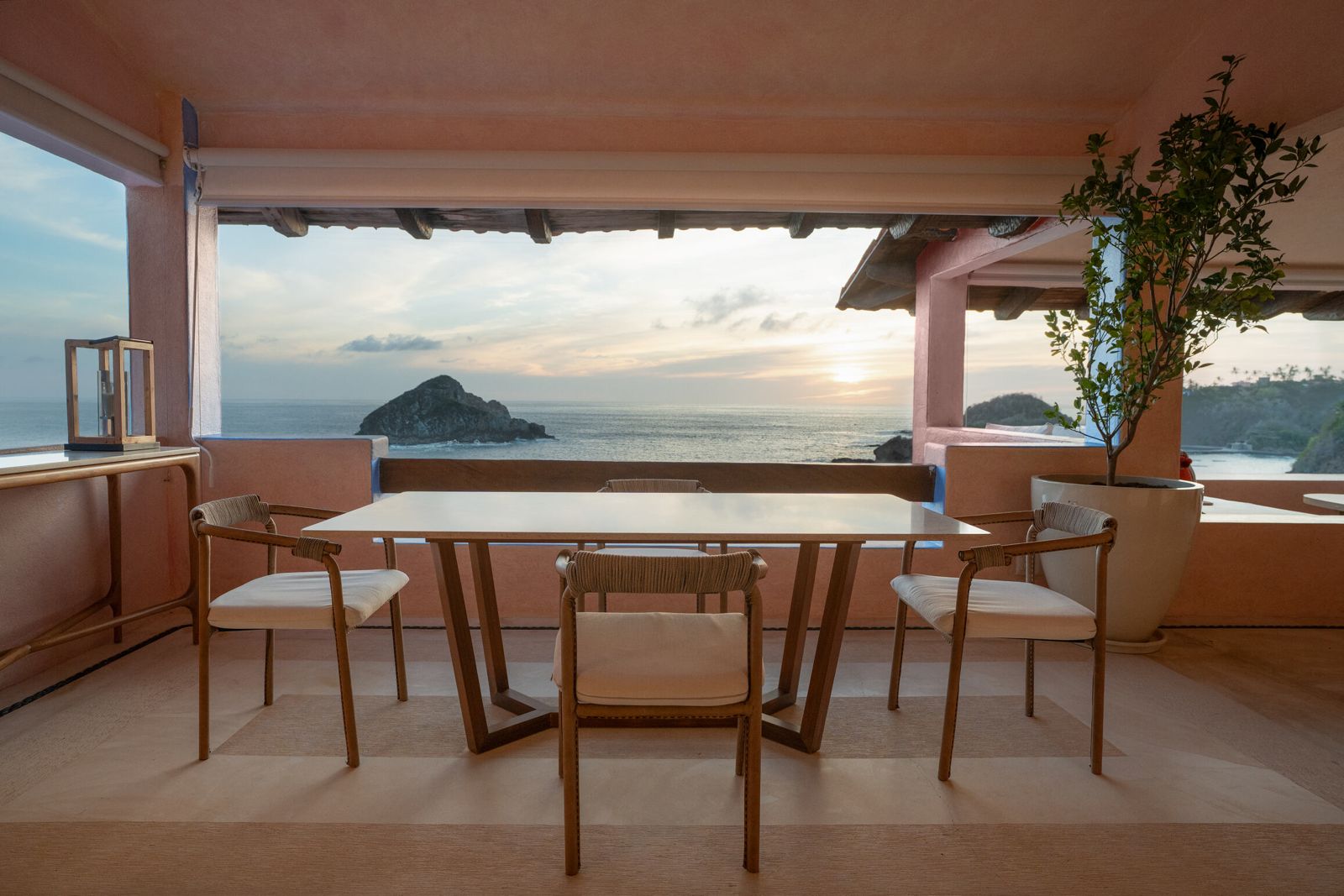
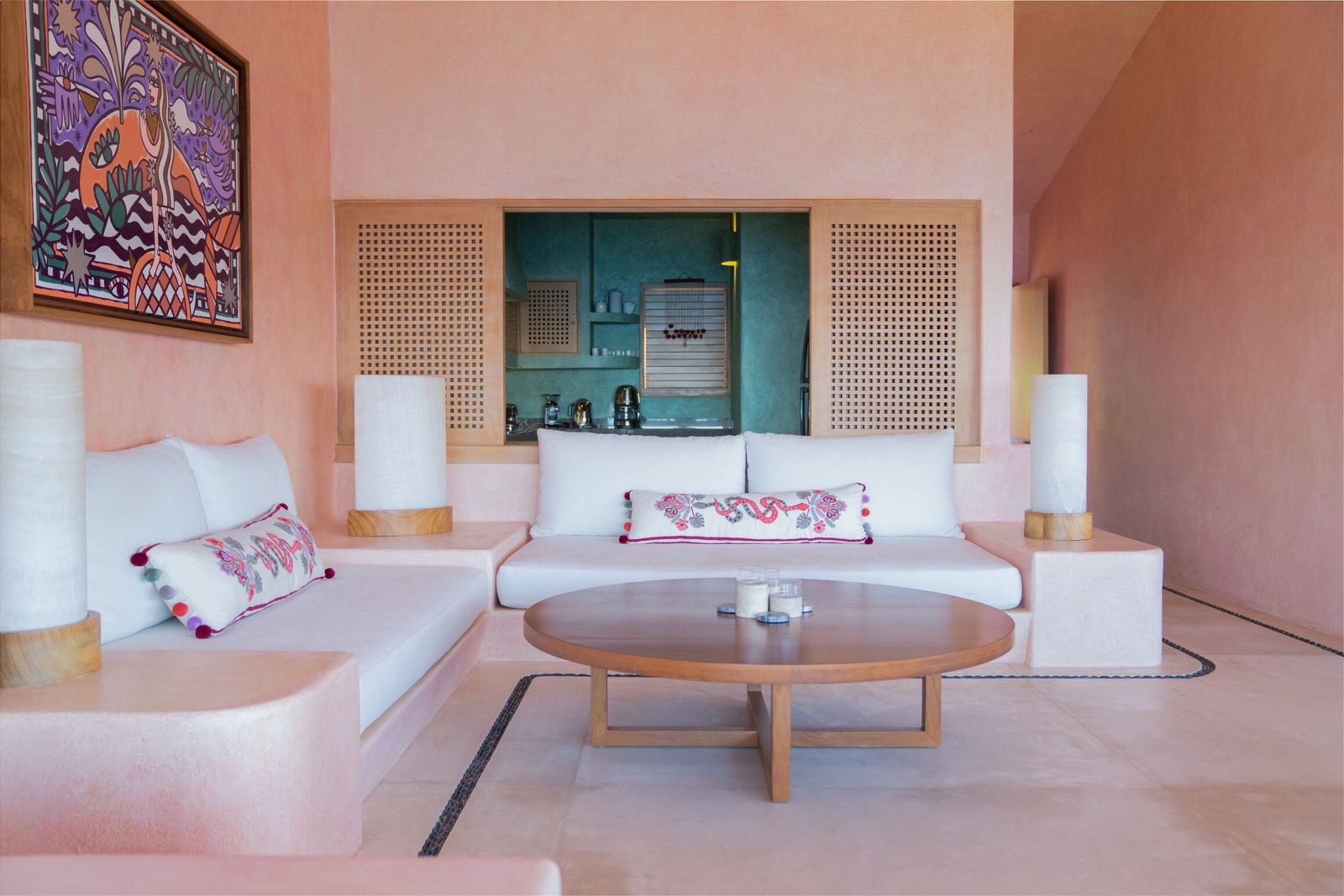
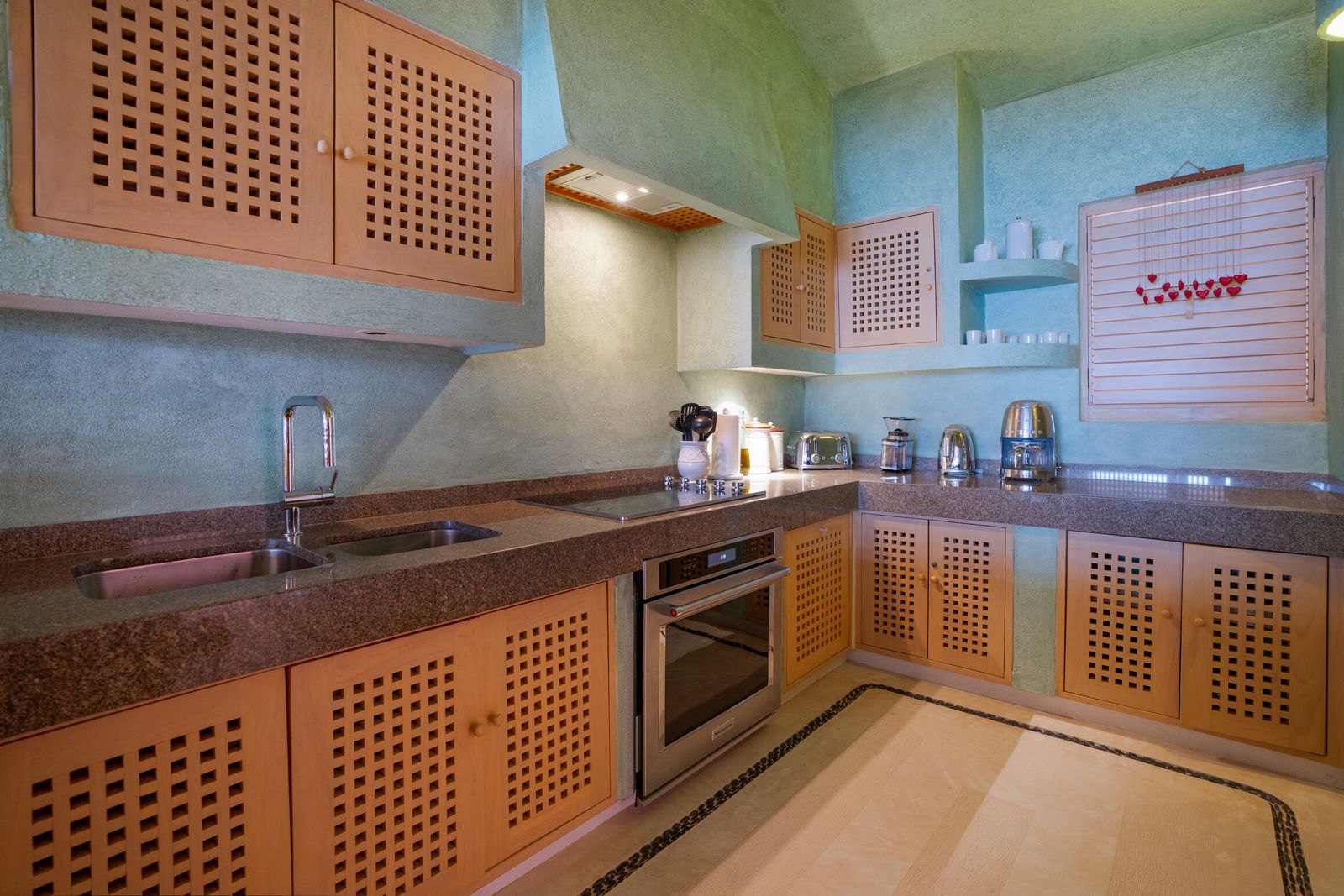
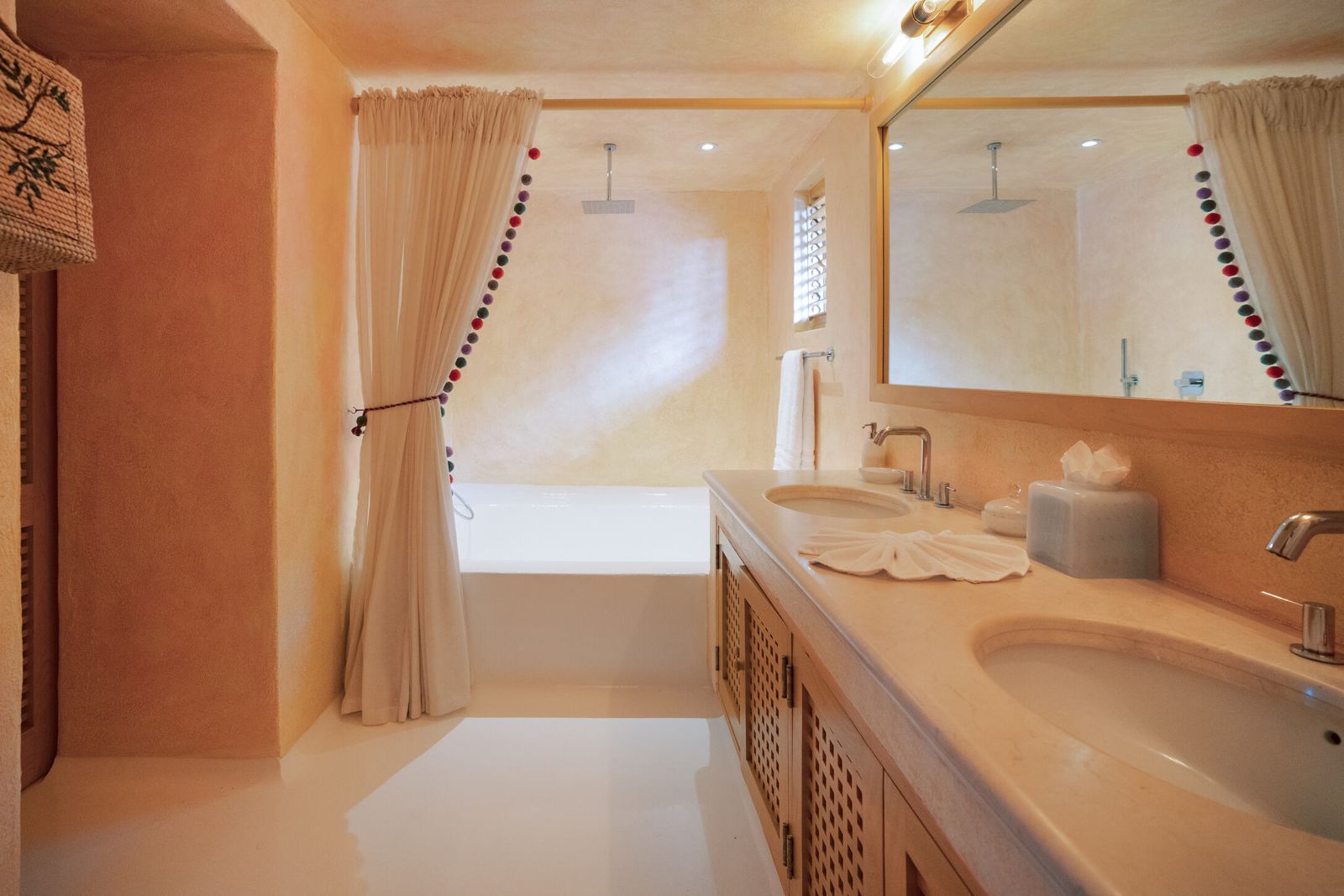
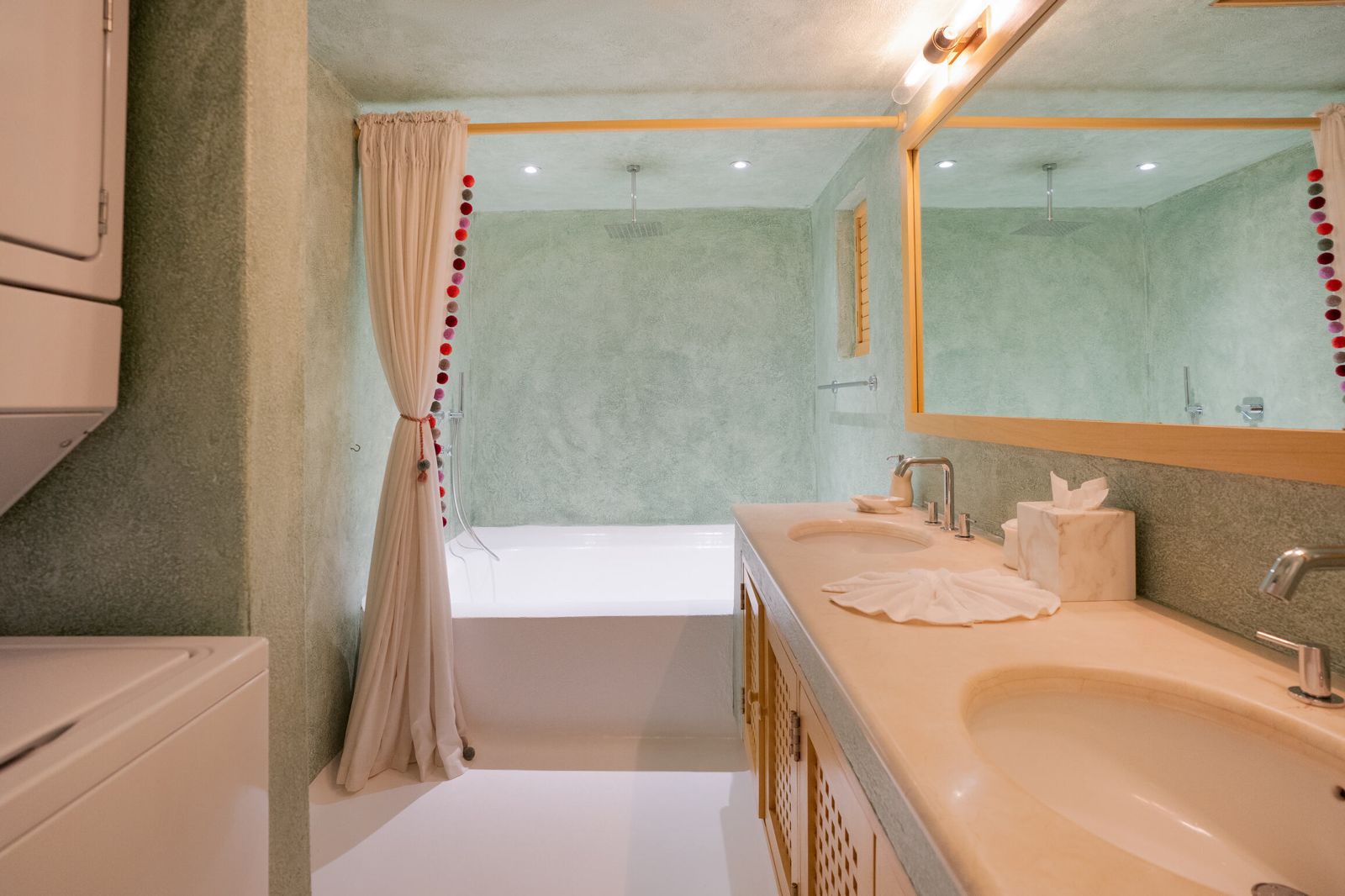
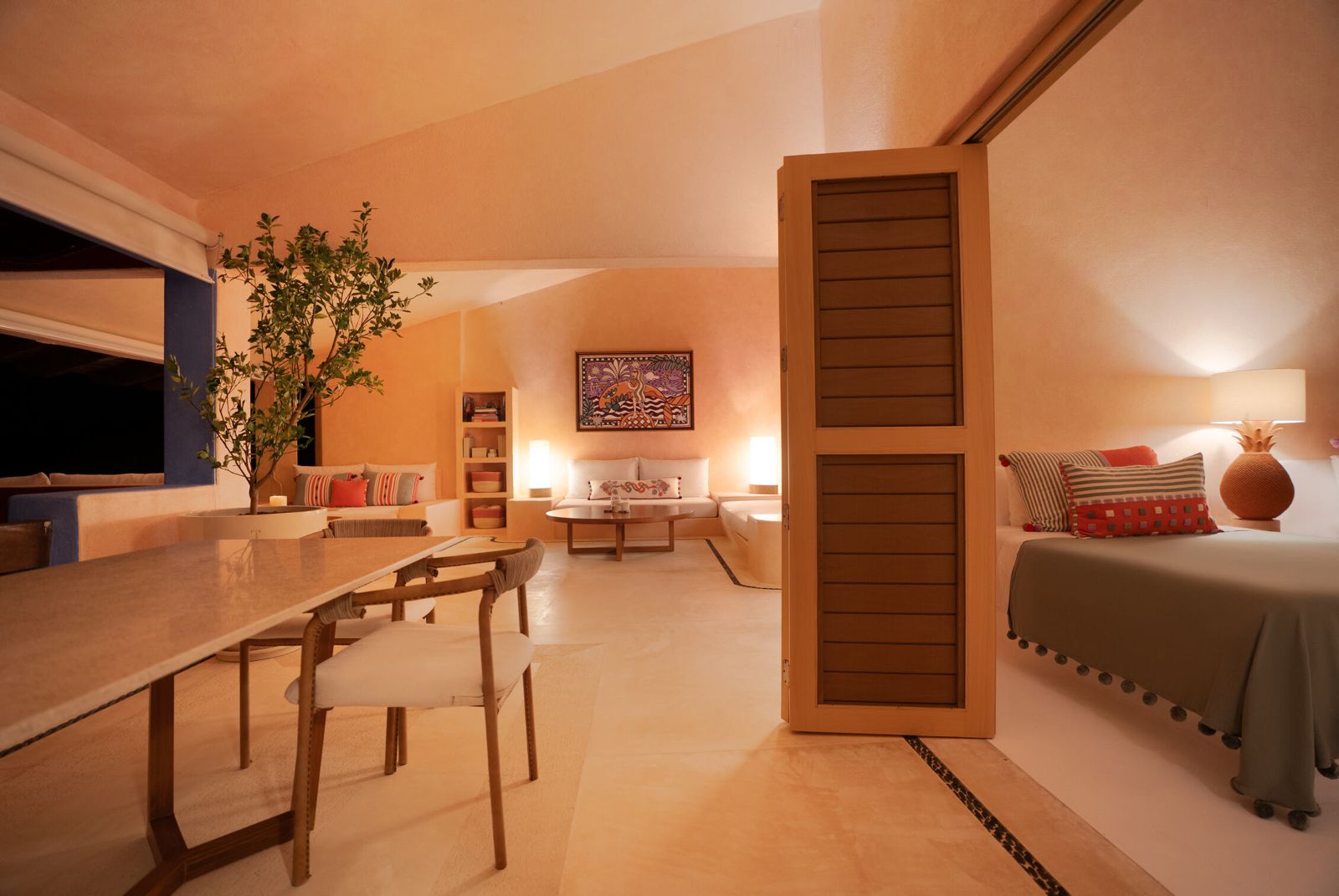
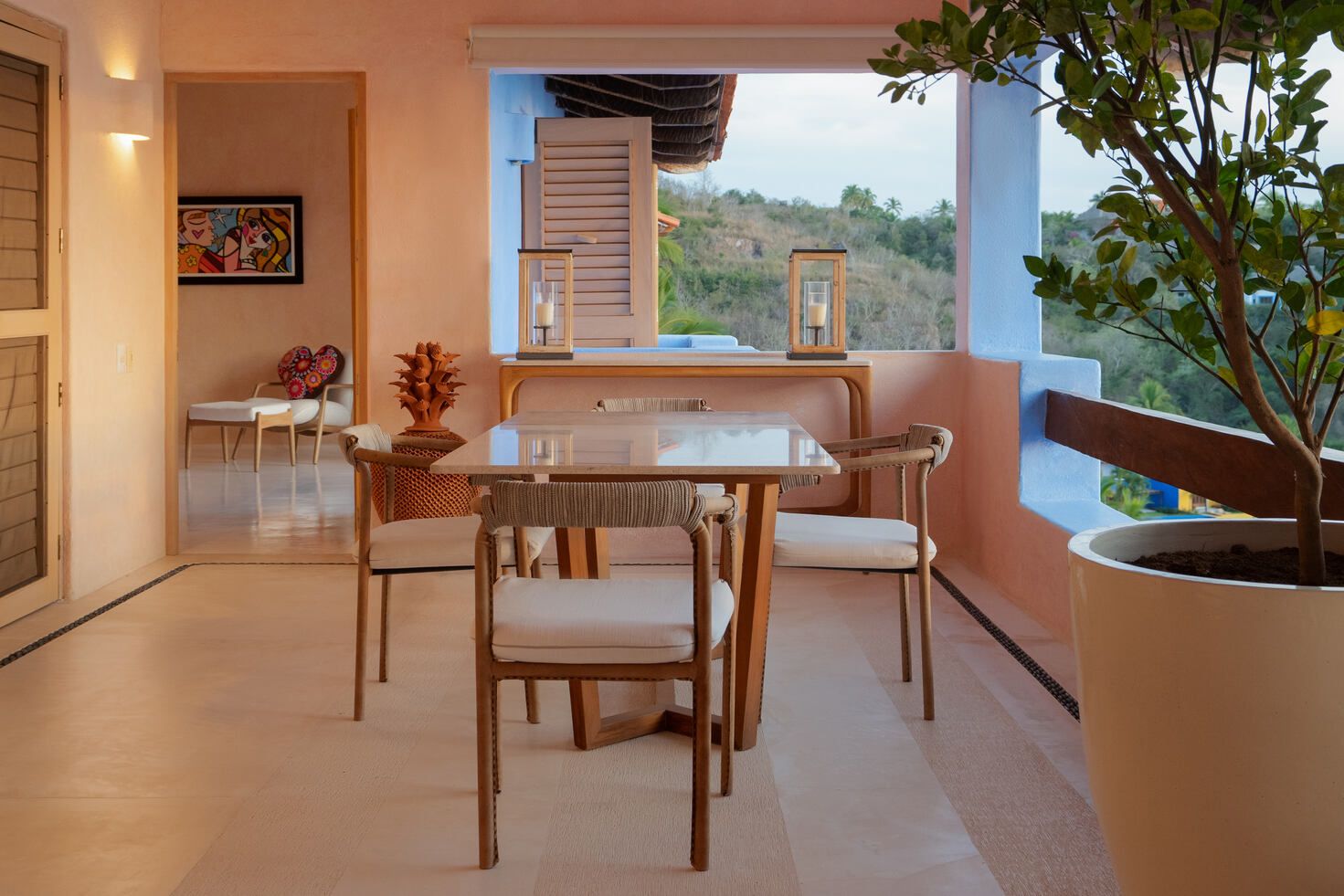
Two bedrooms, each with its own bathroom. Terracotta and rose-washed walls, hand-finished floors, an open kitchen, and living spaces that end in a terrace facing the Pacific with nothing in between.
It is sold fully furnished and fully equipped, and it currently operates as a vacation rental with its own brand, website and booking system already in place. The buyer inherits a functioning residence, not a project.
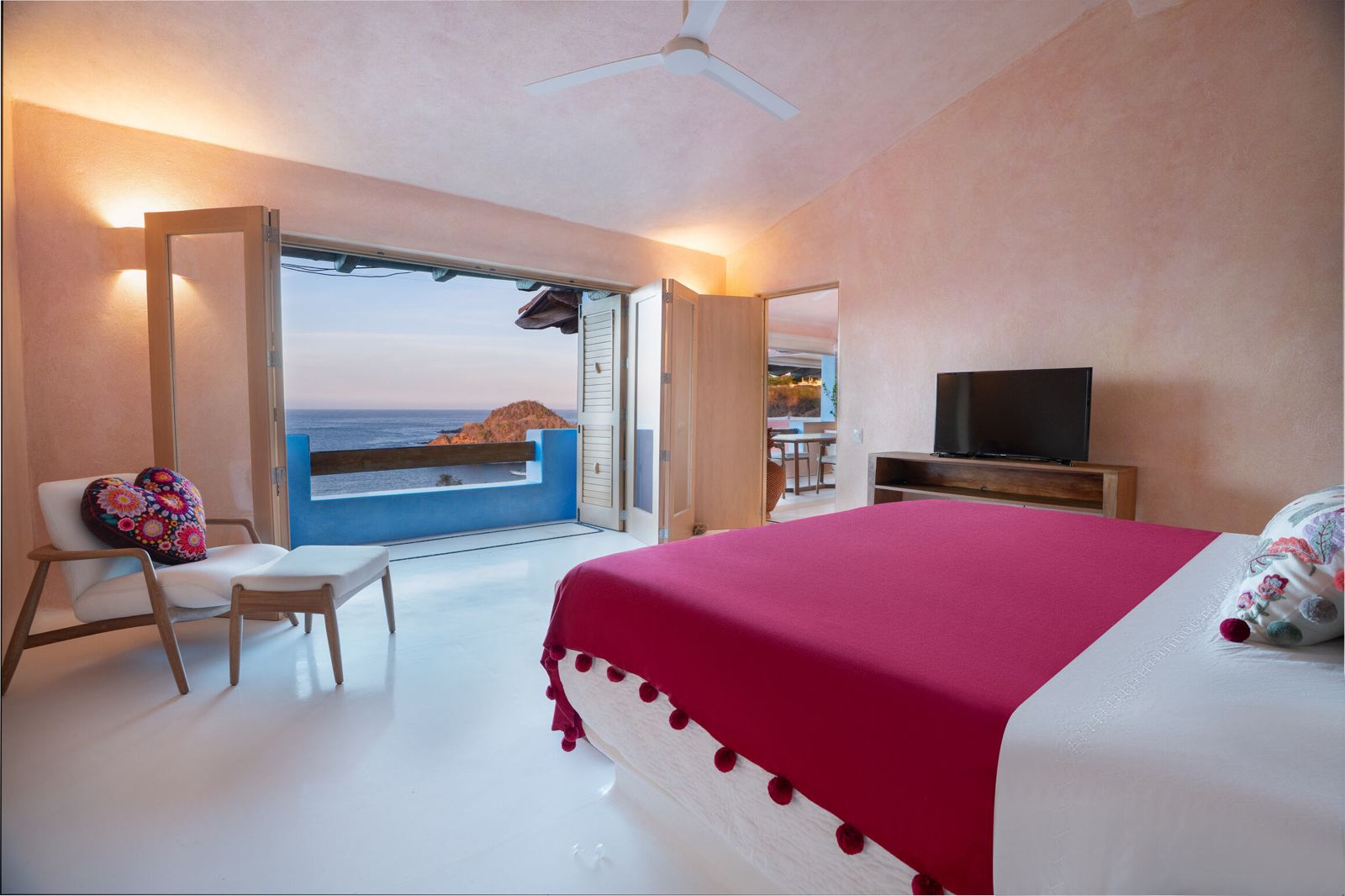
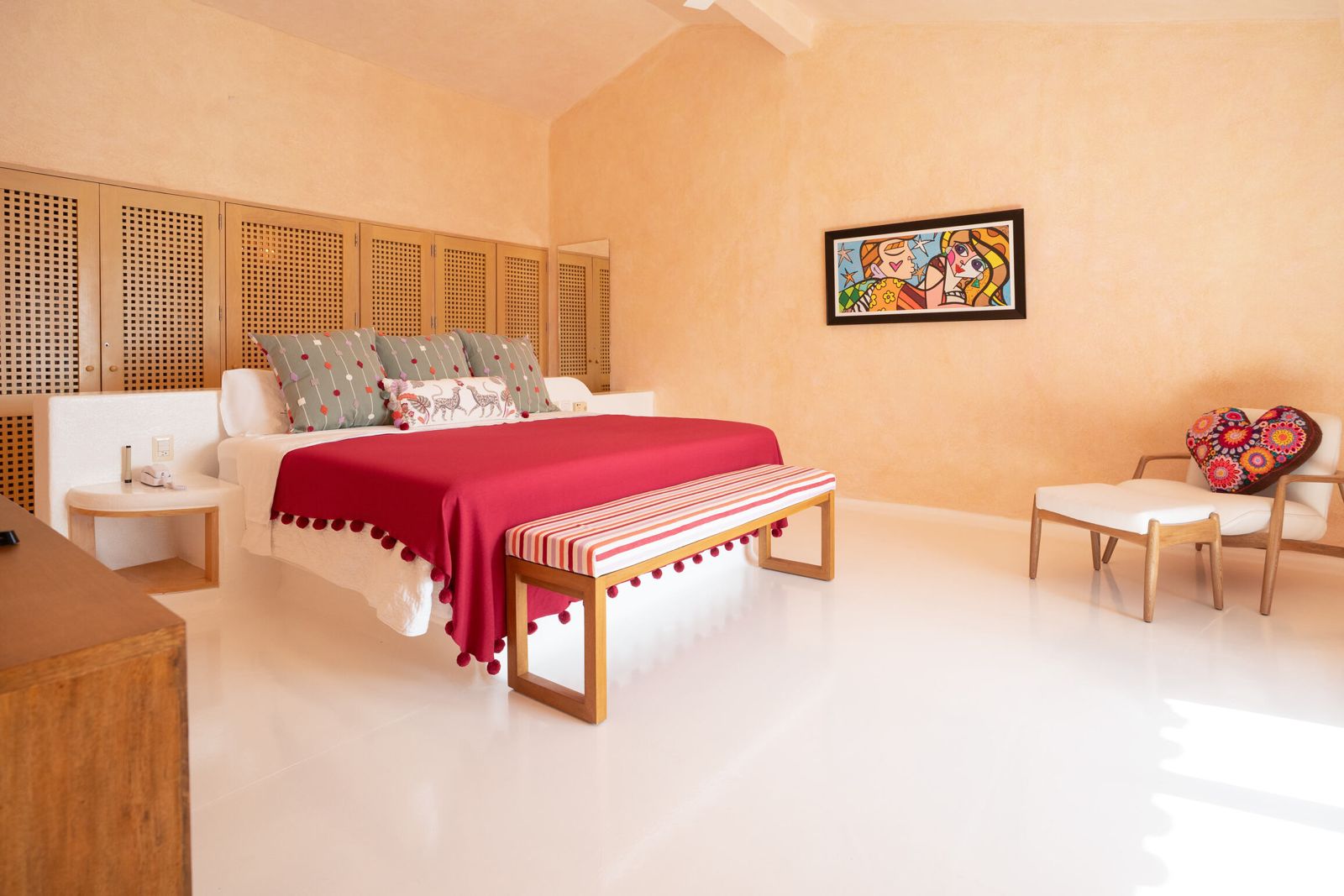
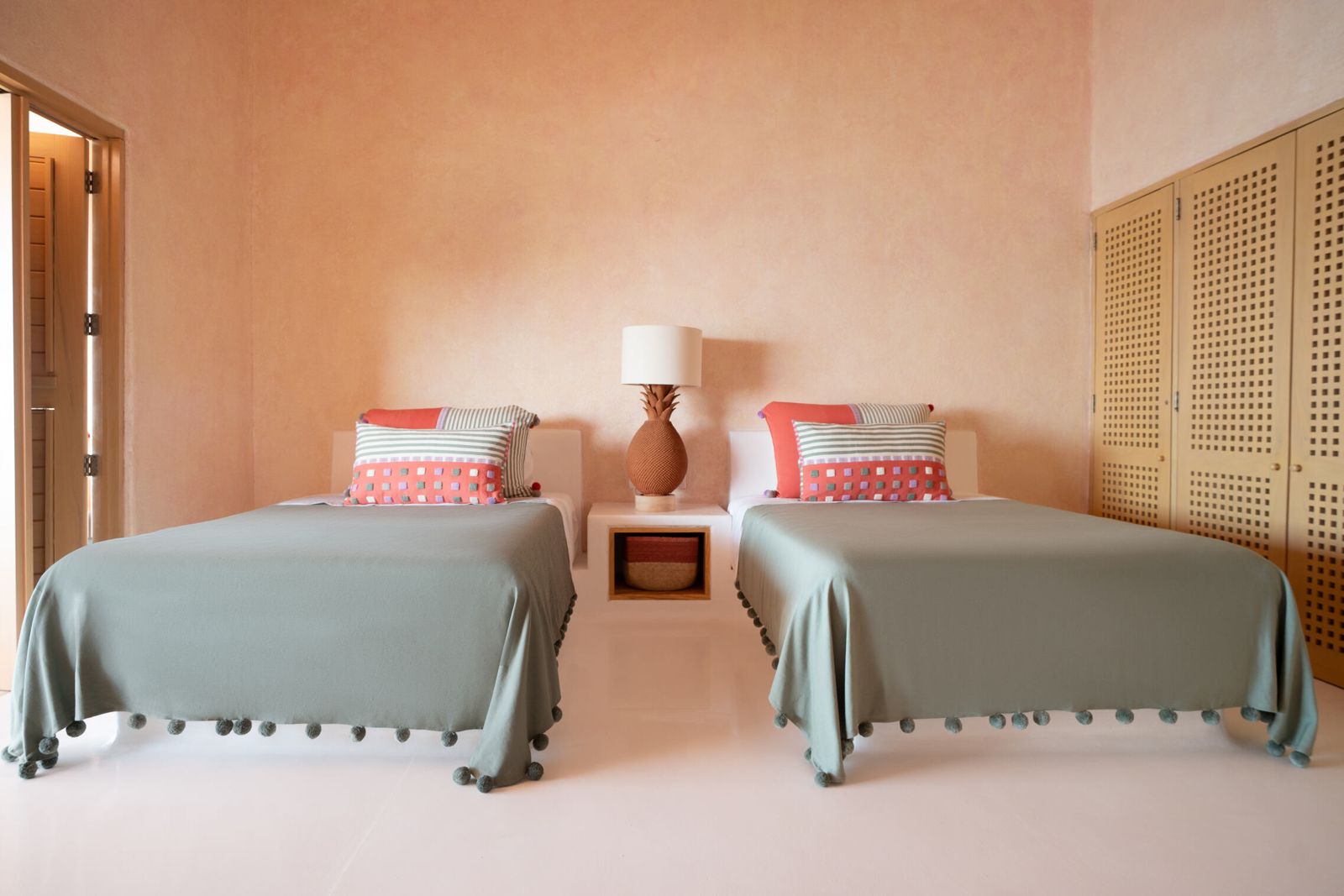
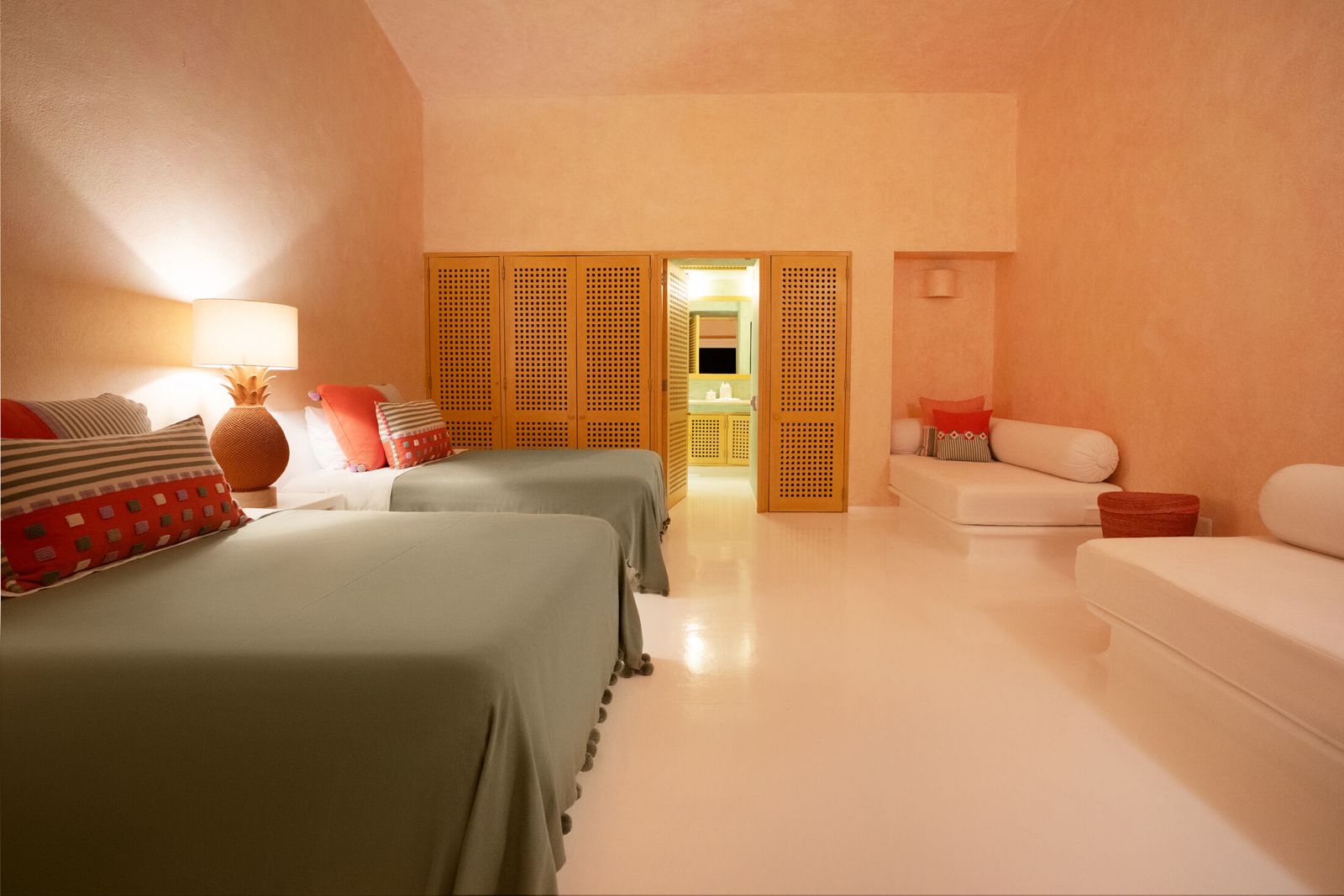
The main bedroom carries a king bed and opens directly onto the terrace through folding doors — the ocean is the first thing you meet each morning. The second holds two single beds and its own seating area, built for children, friends, or the guests who make a house feel occupied.
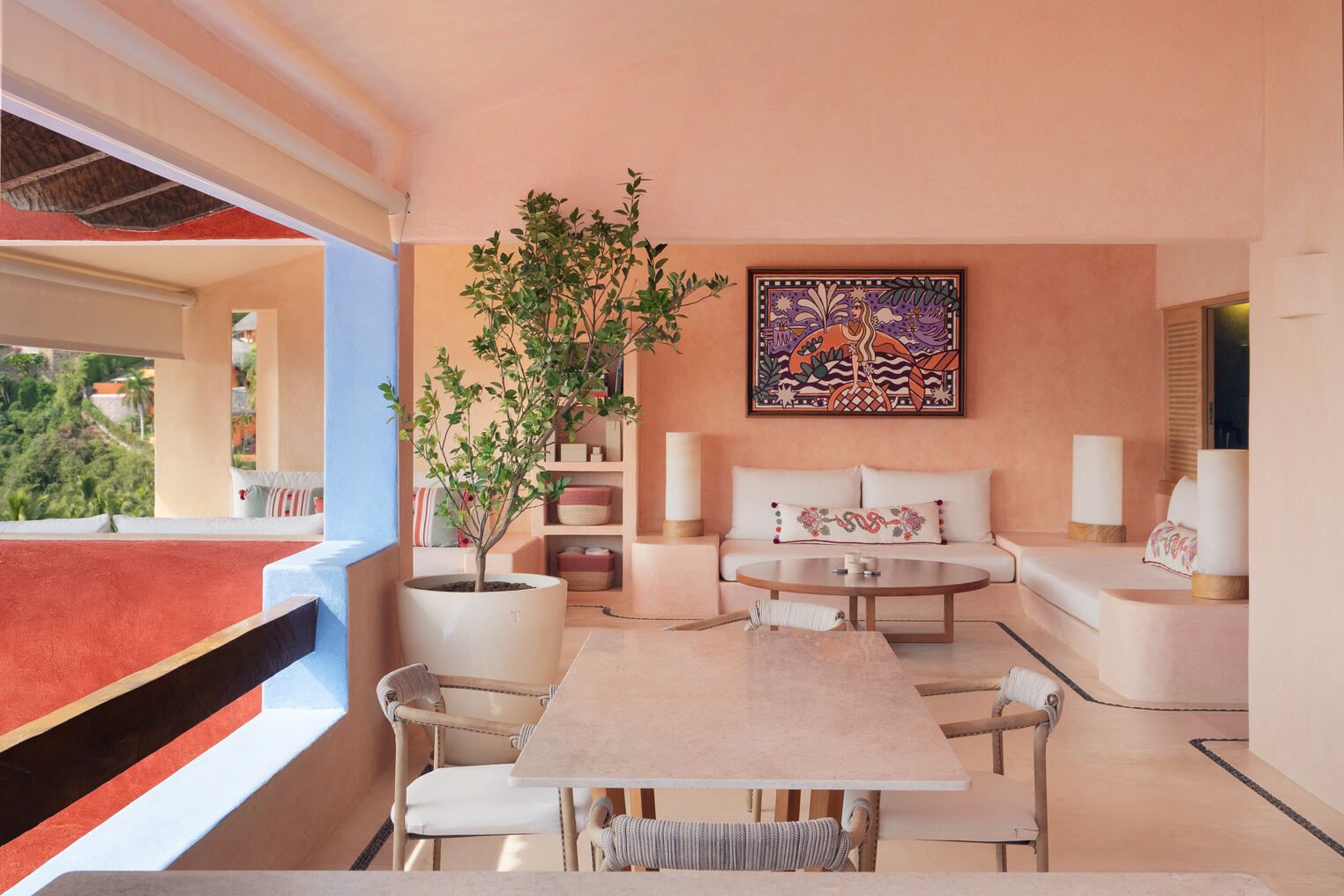
The living spaces follow the Careyes vernacular: seating built into the architecture rather than placed on top of it, walls washed in terracotta and rose, inlaid stone lines tracing the floors, and lattice woodwork filtering the light.
Every principal room opens outward. There is no glass between the living area and the sea — only the frame of the terrace and the sound of the water below.
Most coastal purchases begin with a year of setup. This one begins with a calendar.
Delivered fully furnished and equipped, down to the linens and the kitchen. Nothing to source before the first guest or the first family weekend.
Casita La Mandarina is an established name with its own identity, photography library and dedicated website — transferred in full to the buyer.
An active booking and inquiry system, guest communication flow and rate structure already in operation, ready to continue uninterrupted.
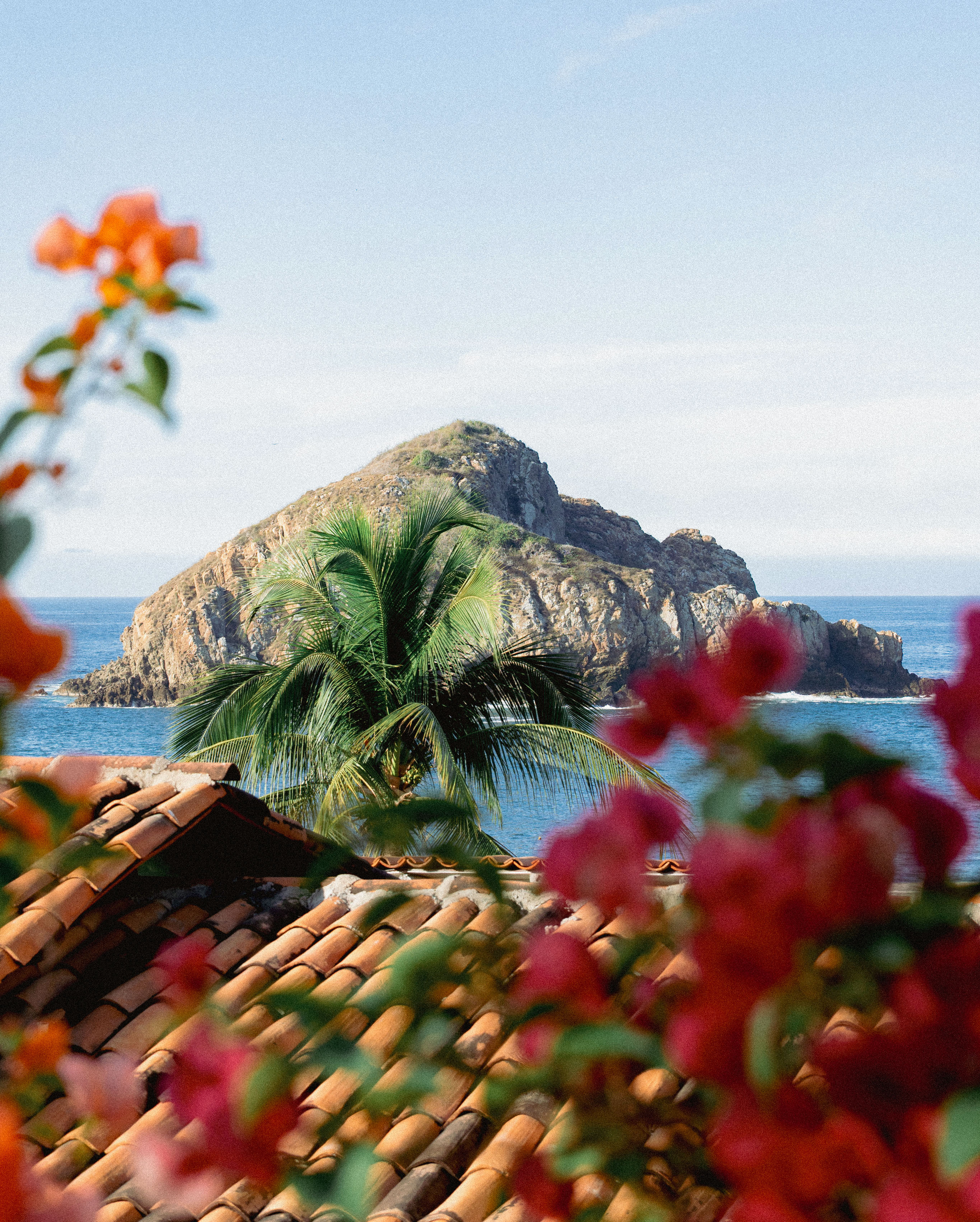
Founded by the Italian banker and artist Gian Franco Brignone, Careyes was conceived as a private community where architecture, art and the Pacific were meant to belong to one another. It remains family-owned and family-operated, reached by a road that keeps the outside world at a comfortable distance.
Casitas de las Flores, designed by French architect Jean-Claude Galibert with Brignone, is the community's most recognised architectural gesture: saturated colour spilling down the hillside above Playa Rosa, within walking distance of the beach club that serves as the social centre of Careyes.
The year Careyes was founded — and it has stayed in the same family since.
Casitas exist across the entire community. Availability is structural, not seasonal.
From Manzanillo International Airport, through jungle road and private gates.
Casita La Mandarina forms part of the Casitas de las Flores condominium regime within Costa Careyes. The transaction is structured as an assignment of rights (cesión de derechos) within that regime, subject to the community's own approval procedures.
Careyes sits within Mexico's restricted coastal zone, which means foreign buyers acquire through a bank trust (fideicomiso). This is standard along the entire Pacific coast and is handled by the notary and trustee bank as part of closing. Full documentation, community regulations and the complete transfer structure are shared with qualified buyers under confidentiality.
Private viewings and virtual walkthroughs arranged by appointment.